

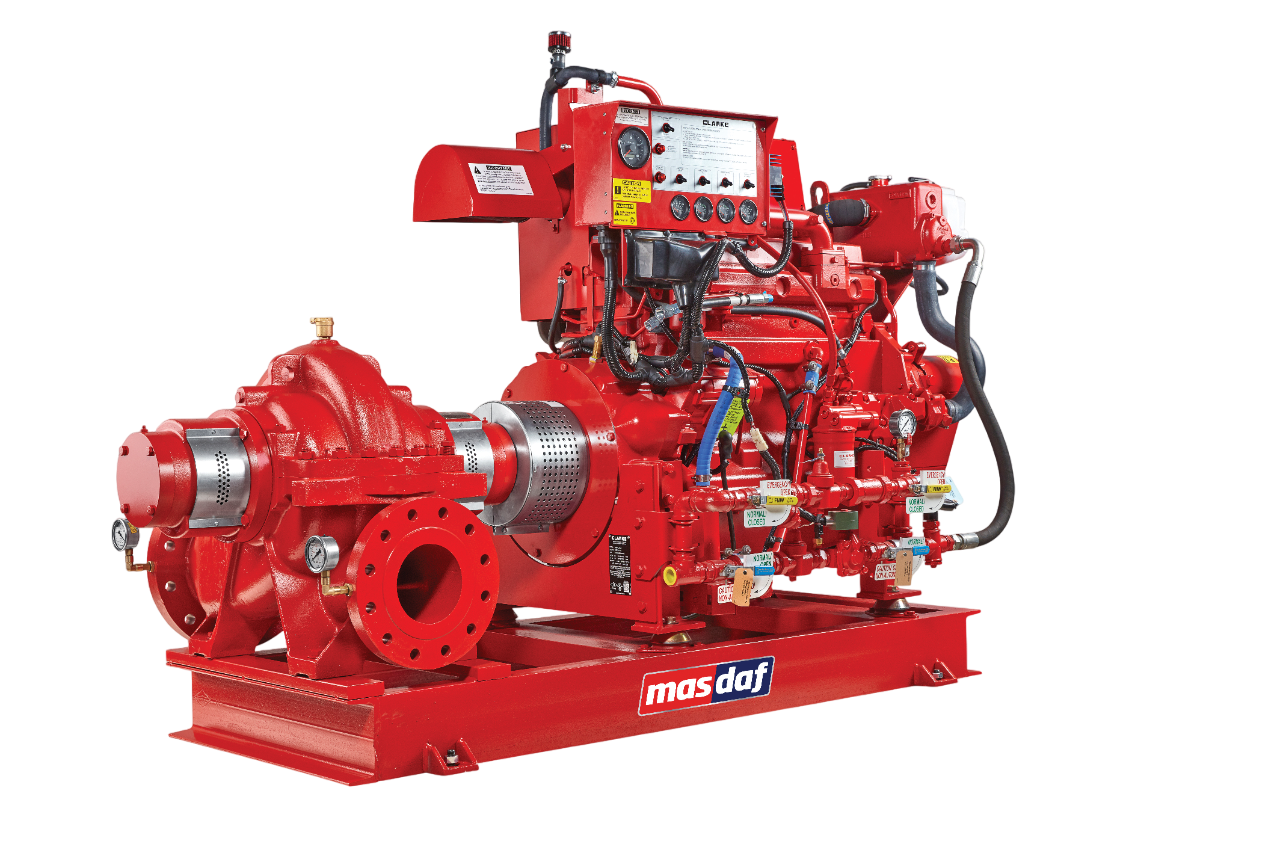
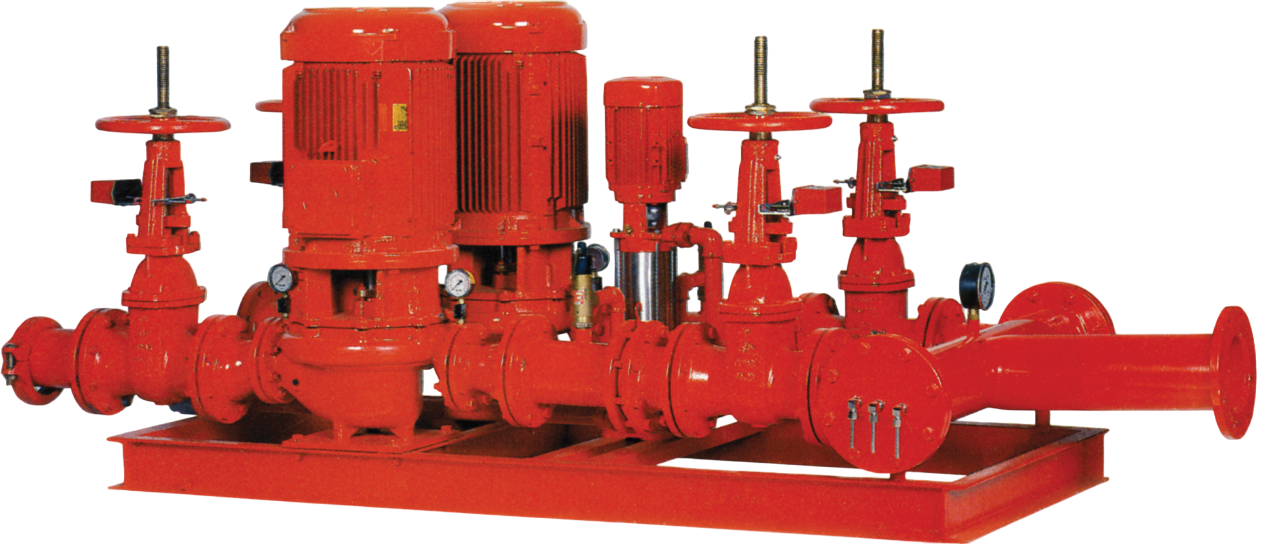
Fire pumps ensure system continuity by delivering the required flow rate and pressure to firefighting lines. Masdaf fire pumps form the backbone of safe firefighting operations with their structures compliant with international standards, durable material quality, and uninterrupted operating performance. They meet global safety requirements defined by standards such as UL/FM and NFPA. Fire pump systems are designed to automatically activate during a fire, generating the required pressure in a stable and reliable manner.
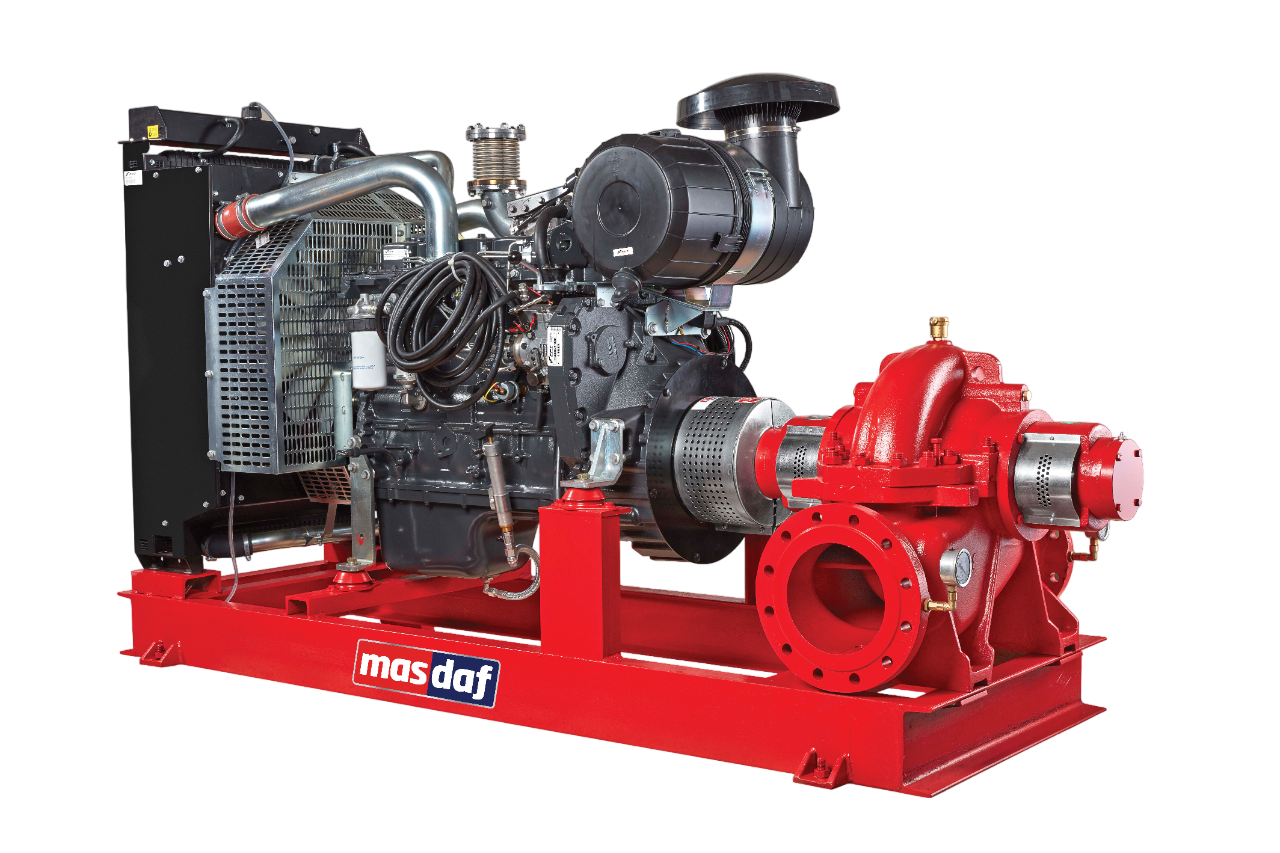
Electric fire pumps are used as the main pump in facilities with a reliable electrical infrastructure, offering low operating costs and fast start-up advantages. Diesel fire pumps, on the other hand, are preferred as the main pump in critical facilities where the risk of power outages is high or where regulations require an independent power source. The jockey pump compensates for minor pressure drops in the system, preventing unnecessary activation of the main pump and maintaining constant line pressure.
Fire pump types are designed in compliance with national and international standards, providing high reliability in critical scenarios. Since flow and pressure values are selected based on facility size and risk level, project-specific solutions can be developed. Their compatibility with wet and dry systems ensures uninterrupted water flow in sprinkler and hydrant networks, enabling effective intervention at the very first moments of a fire. Proper fire pump selection directly enhances the efficiency of fire safety infrastructure and helps facilities achieve full regulatory compliance.
Maximum Emergency Performance with Fire Pump Solutions
In a fire emergency, the correct equipment activating at the right moment is a vital factor that can make a significant difference within seconds. The fire pump set, which forms the heart of firefighting systems, supplies the required flow and pressure during emergencies, ensuring uninterrupted water delivery to all sprinklers, hydrants, and hose reel lines. In high-risk buildings, industrial facilities, and large-volume areas, these systems provide rapid response capability through continuous operation principles.
Stable fire pump operation is critical in emergency scenarios. Durable cast-iron casings, high corrosion resistance, and long-life bearing systems enable reliable performance even under harsh conditions. With remotely monitored control panels, facilities can track system status in real time and respond immediately to potential faults.
Fire pump systems are engineered to ensure uninterrupted and reliable operation during fire events. Their design prioritizes maintaining stable flow and pressure under all conditions, robust mechanical structures that guarantee operation in harsh environments, and full compliance with regulations. Fire pump sets manufactured in accordance with UL/FM, NFPA, or EN standards offer high reliability in emergencies through continuous-duty operation, durable materials, and safe commissioning features. By consistently delivering the required performance from the first moment to the last, fire pumps become one of the most critical components of fire safety systems.
Fire Pump Systems with High Safety Standards
Equipment used in firefighting must comply with international safety standards. Compliance ensures trouble-free operation during emergencies and is a fundamental requirement for system reliability. Masdaf fire pump systems are designed in accordance with globally recognized standards such as NFPA, UL, and FM. Strong certification structures provide a broad safety framework in terms of durability and performance.
Each component of a fire pump is engineered to withstand sudden load changes, high pressure, and harsh environmental conditions. Casing structure, impeller design, motor options, and control panel compatibility play key roles in meeting high safety standards. Reinforced cast casings, corrosion-resistant materials, and rigid mechanical designs contribute to full-capacity operation whenever required.
Fire pump systems are designed according to NFPA standards governing hydraulic performance, selection, installation, and operating principles. These standards define head requirements, flow capacity, redundancy criteria, diesel/electric motor selection, and operational scenarios for system components. UL or FM approvals, unlike NFPA, are product certifications confirming that pumps, motors, control panels, or accessories have passed specific safety and performance tests. These certifications provide additional assurance, particularly in high-risk facilities.
Uninterrupted Protection with Masdaf Fire Pumps
Ensuring uninterrupted protection in fire pump systems is critical for both human safety and operational continuity. Masdaf fire pump sets are developed with high durability, stable performance, and reliable operating principles to meet this need. Since the moment a fire pump is needed is unpredictable, systems must remain fully operational and ready at all times. Periodic maintenance and testing at intervals defined by risk class and location are essential.
Electric fire pumps continuously balance system pressure and automatically activate during sudden pressure drops, ensuring safe intervention. Their durable casing structures, corrosion resistance, and low maintenance requirements enable long-term stable performance. In critical facilities such as public buildings, residential projects, hospitals, shopping malls, industrial plants, power stations, and logistics centers, the reliability of fire pumps directly impacts life and operational safety. Depending on application type, end-suction, double-suction, or vertical turbine fire pumps can be selected to optimize system architecture. Fire pump control panels support remote monitoring, providing operational advantages in safety management.
Fire pumps are among the most critical components of fire safety systems. By instantly supplying the required flow and pressure during a fire, they ensure uninterrupted operation of sprinklers, hydrants, and other firefighting equipment. Therefore, pump design, selection, and testing must strictly comply with national and international standards.
Fire Pump Applications and Advantages
Fire pumps are used to supply the required water flow and pressure to sprinklers, hydrants, and other firefighting equipment within a facility. They activate when municipal pressure is insufficient or water supply sources cannot meet high flow demands, ensuring system operability during fire events.
- Fire pumps automatically activate during emergencies, delivering stable and reliable performance. Electric, diesel, and jockey pump combinations provide redundancy against power outages and ensure system readiness. They deliver uninterrupted fire protection in critical facilities such as hospitals, industrial plants, high-rise buildings, and storage areas.
- Fire pump systems offer low failure risk and high continuity thanks to materials and control systems suitable for long standby conditions.
- Regular testing in accordance with NFPA 20 and local regulations confirms system readiness, enhancing life safety and minimizing operational losses during potential fire incidents.
A properly designed and regularly maintained fire pump system represents one of the most effective and long-term safety investments against fire risks.
Importance of Pump Selection in Firefighting Systems
The effectiveness and continuity of firefighting systems are directly linked to correct pump selection. As the heart of the system, the fire pump delivers water at the required pressure and flow. Selection must consider building type, risk level, available water capacity, regulatory requirements, and physical installation conditions. Key selection criteria include:
- Project Risk Level: Different certification levels may be required for low-, medium-, or high-risk projects.
- Flow and Pressure Requirements: Determined according to NFPA and EN methodologies based on risk class and application.
- Certification Compliance: NFPA, UL, and FM requirements may be mandatory for certain projects.
- Motor Type Selection: Diesel motor options should be considered where power outages are likely.
- Installation Area: Compact inline or end-suction designs may be preferred for confined spaces.
- Ease of Maintenance: Maintenance accessibility is critical, especially in high-utilization facilities.
Masdaf’s compact designs and multiple motor options simplify creating the correct configuration for both small- and large-scale projects.
High Equipment Safety with Fire Pump Models
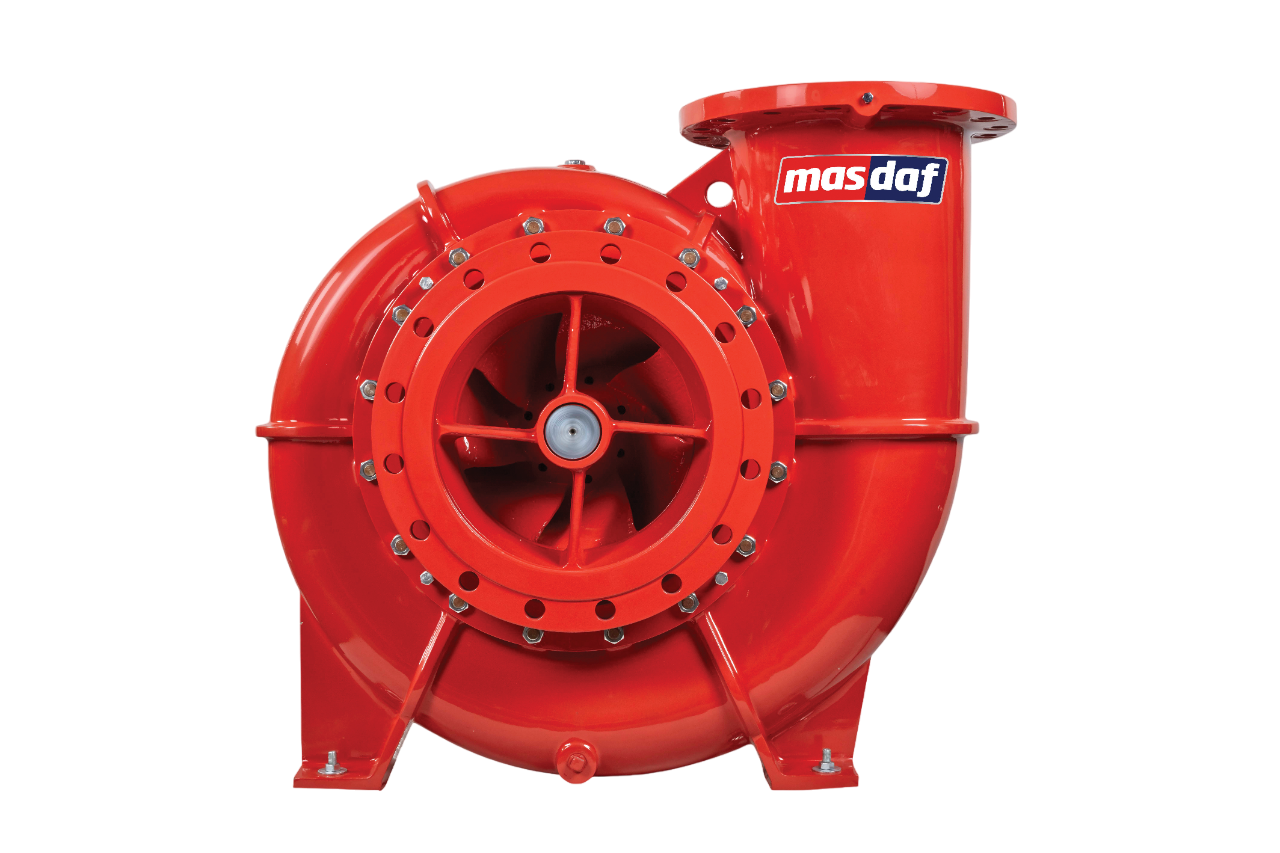
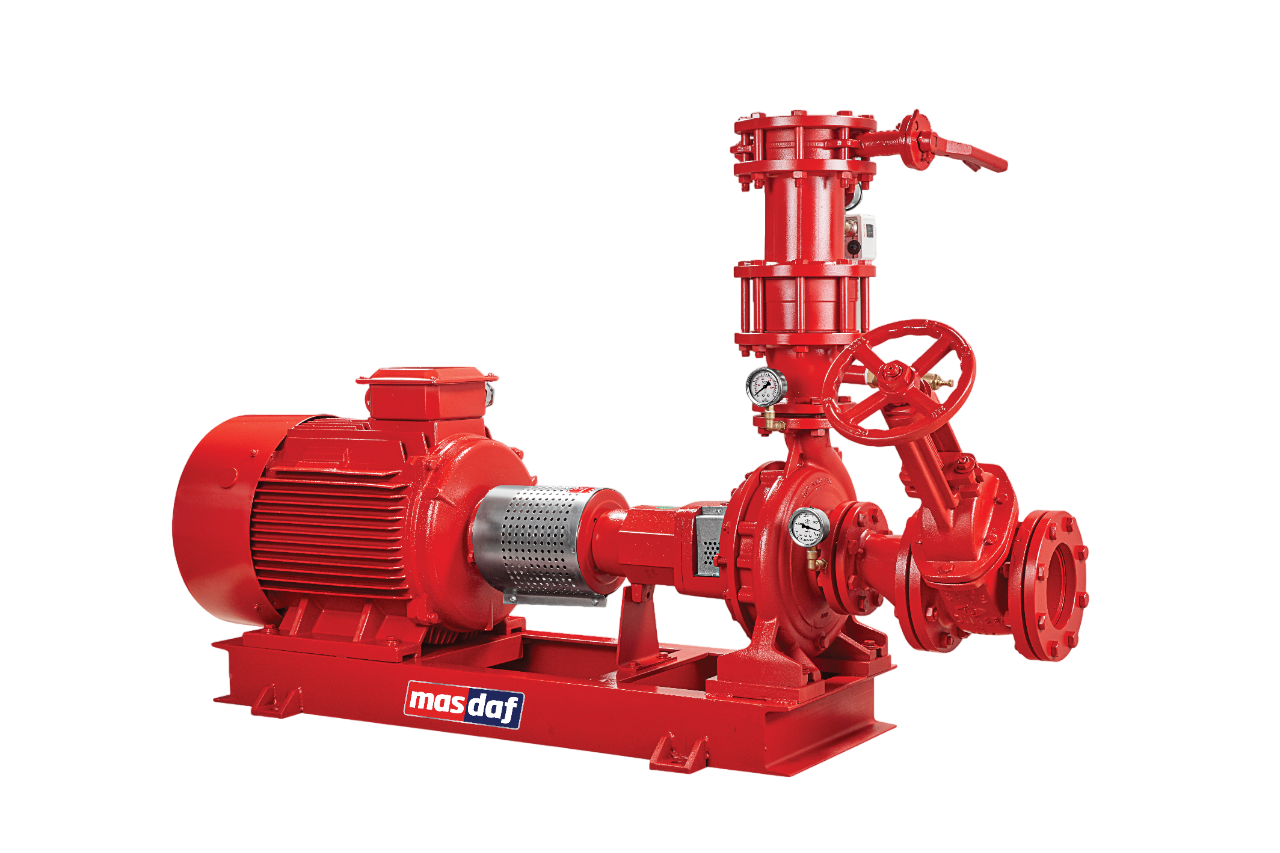
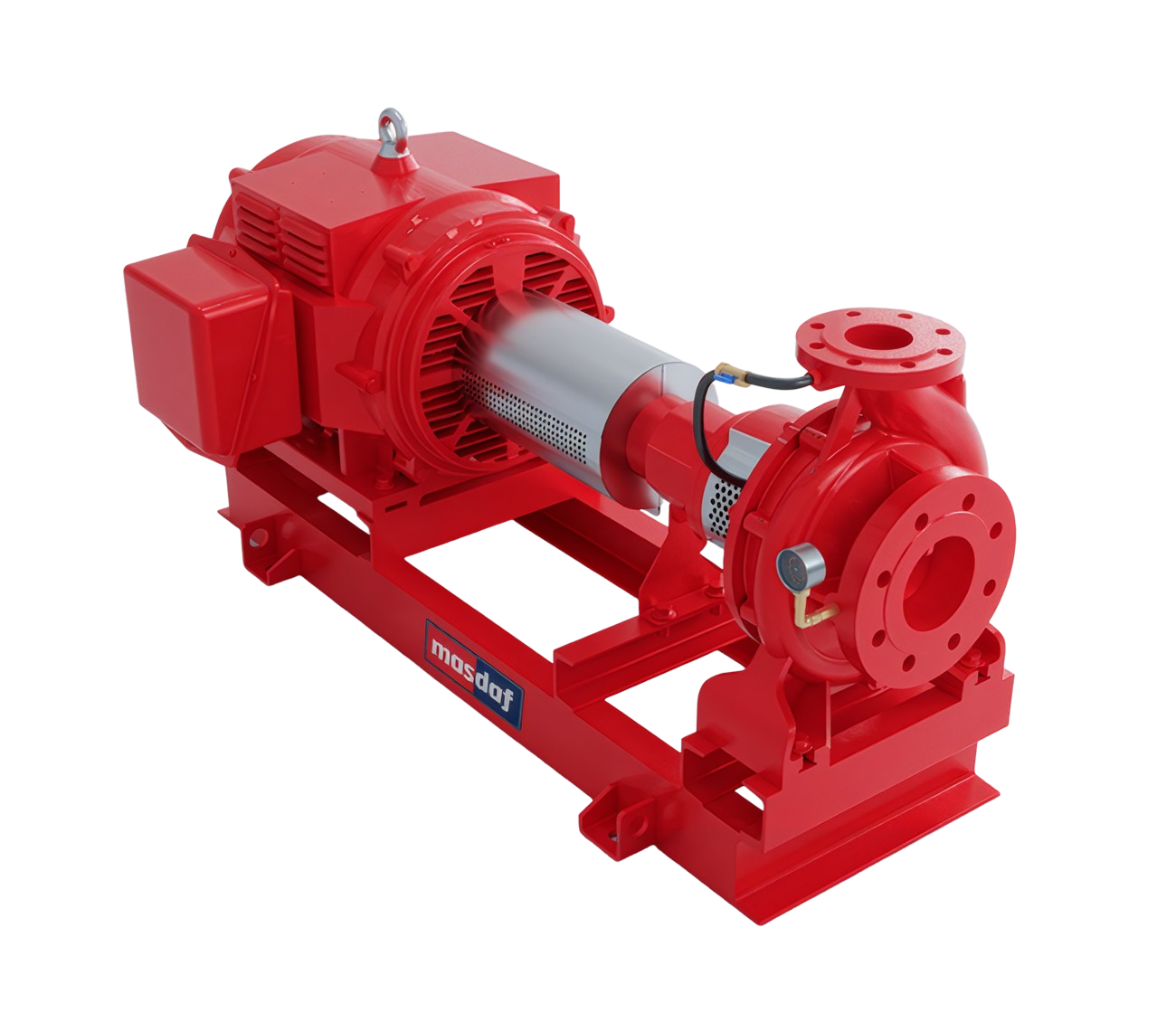
The hardware quality of fire pump models is vital for system reliability and effectiveness. Masdaf offers solutions for projects of all sizes with its wide product range. High durability, long service life, and ease of maintenance—aligned with certification requirements—are key features. Compact designs and flexible installation options allow system integration even in limited spaces. Electric and diesel motor options ensure uninterrupted performance in critical situations.
Fire pump models are suitable for building technologies, industrial facilities, and marine applications. High-quality materials used in pump construction ensure safe operation even under overload and continuous-duty conditions. Fire pump control systems and panels support automatic activation and emergency control functions, minimizing operator intervention. With Masdaf expertise and product diversity, you can maximize safety in fire pump solutions and easily identify the most suitable model for your needs.
Frequently Asked Questions About Fire Pump Systems
What Is a Fire Pump?
A fire pump delivers water at the required flow and pressure in firefighting systems, ensuring continuous protection against fire. It supplies reliable water to sprinklers, hydrants, and other firefighting equipment during emergencies. Electric and diesel motor options provide compatibility with different power infrastructures. Durable casing and mechanical designs suitable for long standby periods ensure safe operation. Fire pumps are designed in compliance with standards such as NFPA 20, and components may be UL or FM approved.
How Does a Fire Pump Work?
A fire pump operates to quickly and reliably deliver water when a fire is detected. It automatically starts when system pressure drops and sprinklers or hydrants are activated. Electric pumps operate via the power grid, while diesel pumps run on independent engines. The pump draws water from the supply line and delivers it throughout the system at the required flow and pressure, ensuring effective firefighting response. Models are designed and tested according to standards such as NFPA 20 to guarantee uninterrupted performance during emergencies.
What Are the Purposes of Fire Pumps?
Fire pumps aim to ensure effective operation of firefighting systems by providing the required pressure and flow during fire events. They deliver uninterrupted water supply during emergencies and enhance life and property safety in high-risk areas. By supplying necessary flow to specialized extinguishing systems, they support effective fire control.
Which Criteria Are Important When Selecting a Fire Pump?
Several key criteria must be considered to ensure safe and effective operation. The pump must deliver sufficient flow and pressure to meet system demands—critical for proper sprinkler and hydrant operation. Pump type and motor selection should match facility size, power infrastructure, and redundancy requirements. Material quality, casing durability, and ease of maintenance are essential for long-term reliability. Compliance with standards and certifications ensures trouble-free operation during emergencies.